Sulina is where the Danube, after crossing or bordering ten countries, finally runs into the Black Sea. The town lies at the mouth of the Sulina arm, the central and straightest of the river's three main channels through its delta, and it can be reached only by water. There is no road. For most visitors that is the whole point: the journey down the canal through the reed beds is half the experience, and the small, faded town at the end feels like the edge of the map.
Coming in between the jetties
Few seagoing cruise ships call at Sulina, and most passengers arrive the other way, by boat down the river from Tulcea, or aboard river ships that come down the Danube from upstream. Arriving from the sea, though, gives you the clearest picture of the place: two long jetties built out into the shallow sea to keep the channel clear of silt, the brown river water meeting the blue-grey sea in a visible line, and the town strung along the south bank. Whichever way you come, the character of the place is set by water, sand and reeds.
The canal itself is a broad, straight waterway between embankments, wide enough for seagoing freighters to pass. On either side lie reed beds and willows, with side channels leading off into the wetlands and the occasional fishing hut or village on the bank. The water is the colour of milky tea, carrying silt from half of Europe, and it moves with a steady, unhurried current towards the sea.
A town built by a commission
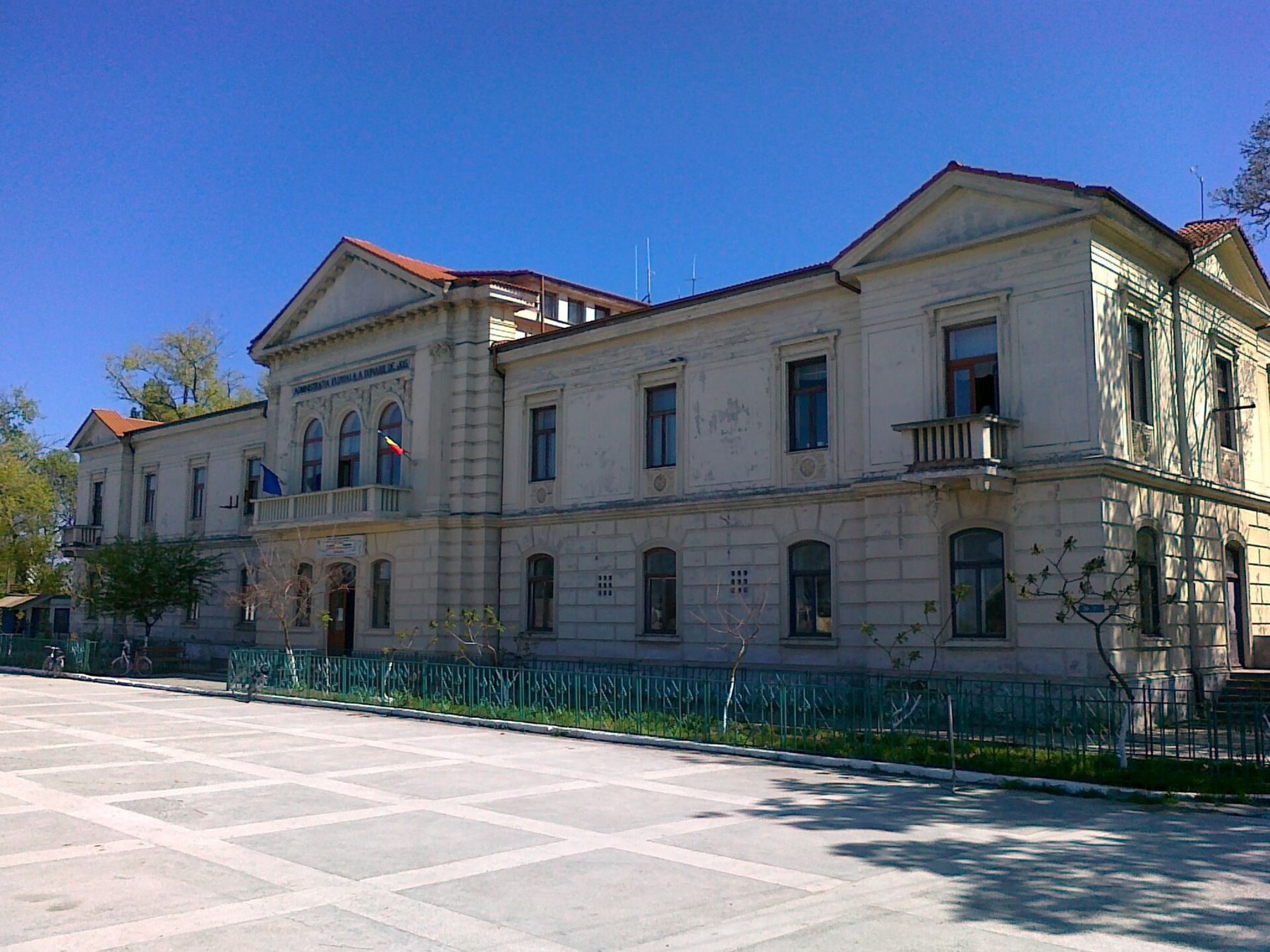
Sulina owes its shape to the European Commission of the Danube, an international body set up in 1856 after the Crimean War to keep the mouth of the river open to shipping. Its engineers dredged the channel, built the jetties and, in a series of cuts around the turn of the twentieth century, straightened the Sulina arm into the canal you see today, far shorter than the winding river it replaced. The Commission's former palace still stands on the waterfront, a pale neoclassical building that now houses offices of the river administration.
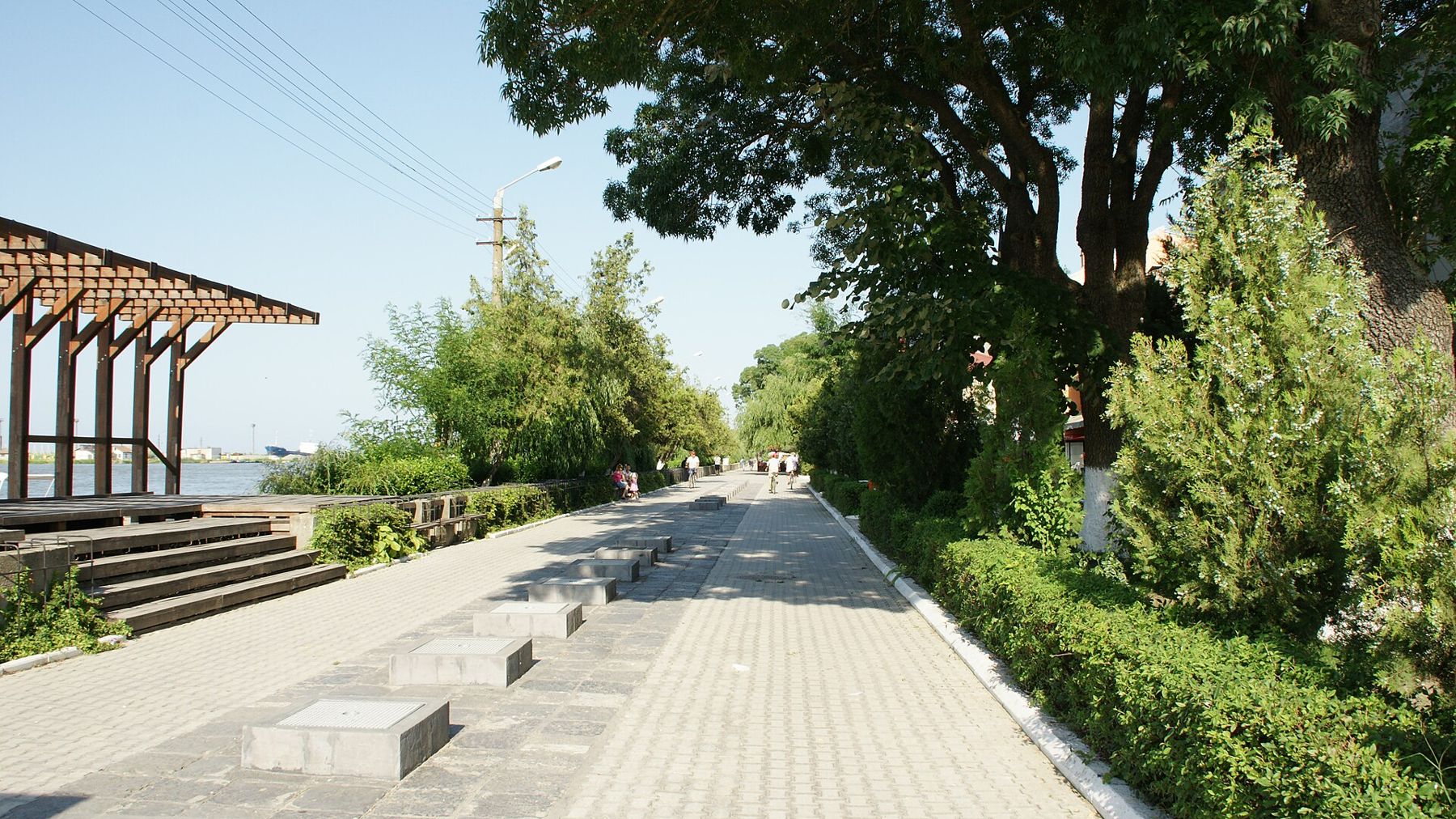
In its busiest years Sulina was a cosmopolitan little port, for a time a free port, with Greek, Romanian, Armenian, Jewish, Turkish and Lipovan residents, consulates and shipping agents. The old cemetery at the edge of town, with its separate sections for different faiths, tells that story more clearly than any museum. Today the town is quiet, with a waterfront promenade, a few streets of low houses and a population far smaller than in its heyday. The Commission's work went on into the twentieth century, until war and changing borders brought its era to an end, and the town has been living off memories and the river ever since.
The old lighthouse and kilometre zero
The old lighthouse, built by the Commission in 1870, once stood at the edge of the sea. It now stands well inside the town, because the silt carried down by the river has pushed the coastline steadily outward, and it serves as a small museum of the Commission and the town, open in season. The Danube's navigation distances are counted upstream from here, so Sulina is kilometre zero of the river, a fact marked on signs and in local pride.
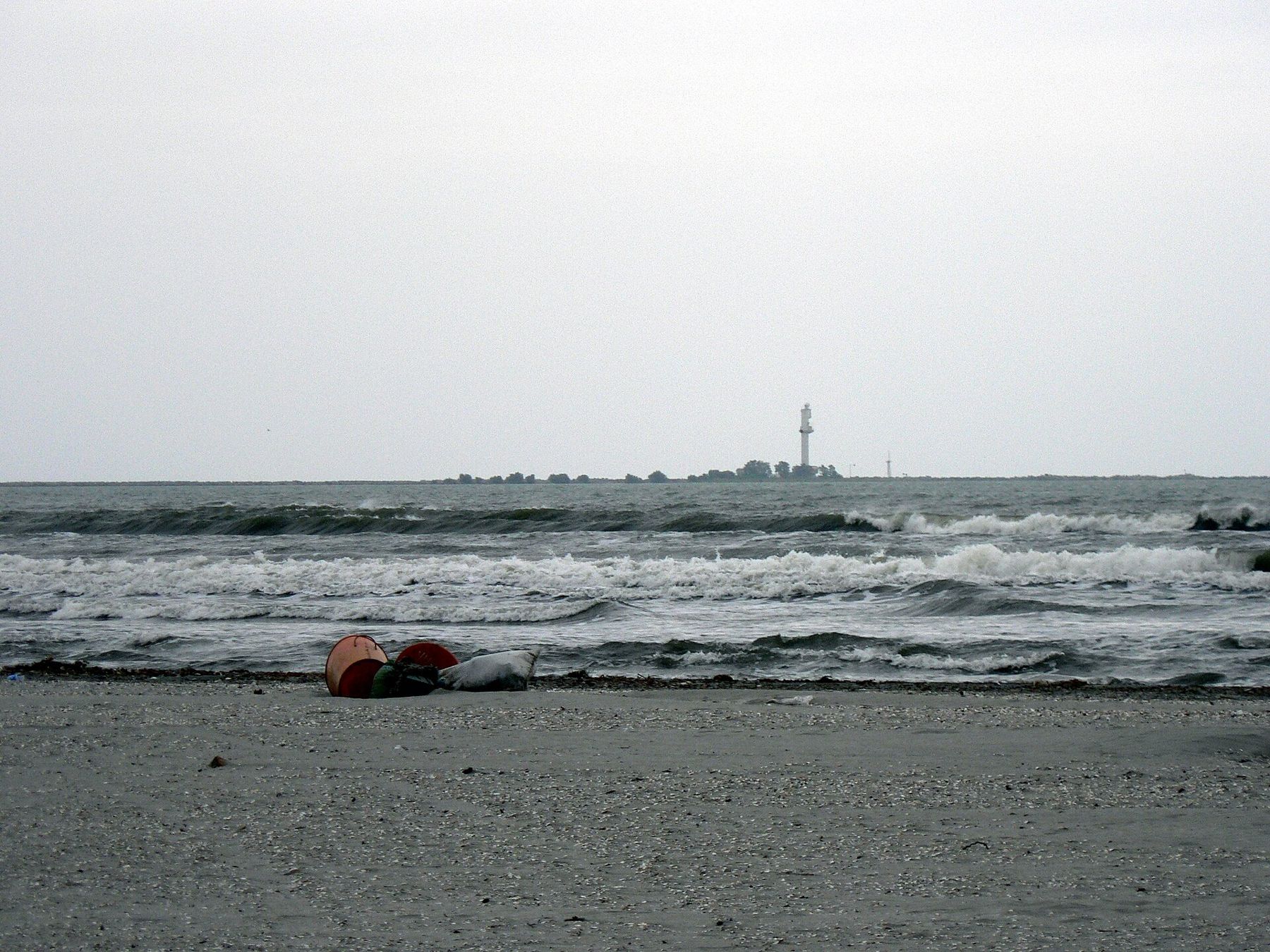
Walk east along the promenade past the last houses and you reach the beach, a long, wild strip of sand facing the open sea, with the jetties and their light at one end. It is a strange and memorable place to stand: behind you a whole continent's river, ahead the Black Sea, and on most days almost nobody else in sight. Our story on the Black Sea itself explains how this river water spreads across the surface of the sea.
It is a strange and memorable place to stand: behind you a whole continent's river, ahead the Black Sea, and on most days almost nobody else in sight.
Into the delta
The Danube Delta is the second-largest river delta in Europe, after the Volga, and one of the best preserved. Much of it is a biosphere reserve and it is listed by UNESCO as a World Heritage Site. It is a maze of channels, lakes, reed beds, floating reed islands, willow woods and sand ridges, home to fishing villages, among them settlements of the Lipovans, Old Believers whose ancestors came from Russia centuries ago.
From Sulina, small boats run out into the side channels and lakes; the quietest trips are the early-morning ones, when the light is soft and the birds most active. Visitors to the reserve need an access permit, which is usually inexpensive and sold in Tulcea and elsewhere, and some areas are closed to protect breeding birds.
A typical trip follows narrow channels lined with willows and poplars, opens into shallow lakes where white and yellow water lilies cover the surface in summer, and passes reed islands that drift slowly with wind and current. Boats should keep their distance from nesting colonies, and the best guides switch off the engine and let the silence do the work. Even a two-hour trip gives you a feel for the scale of the wetland.
Pelicans and reed beds
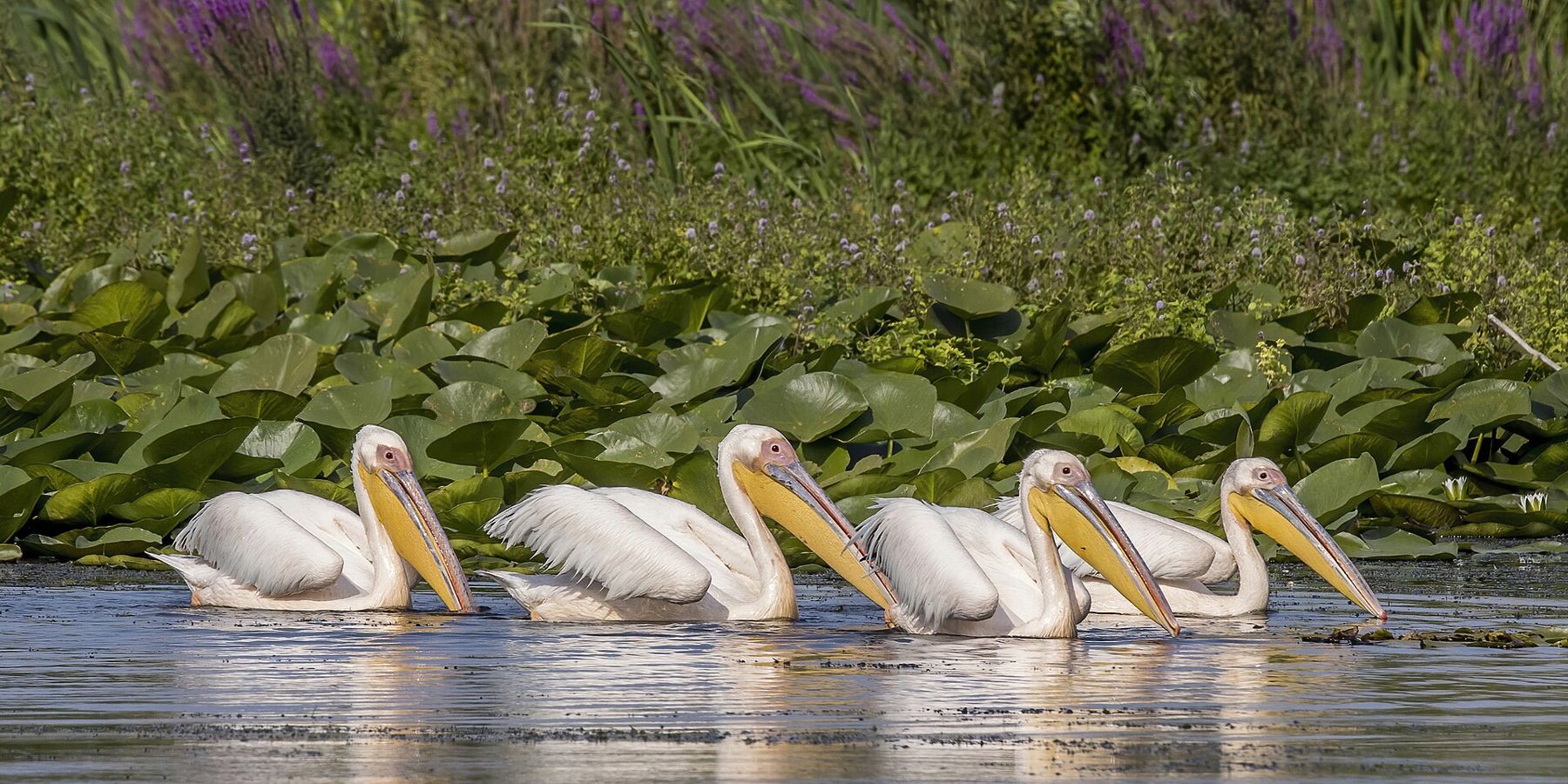
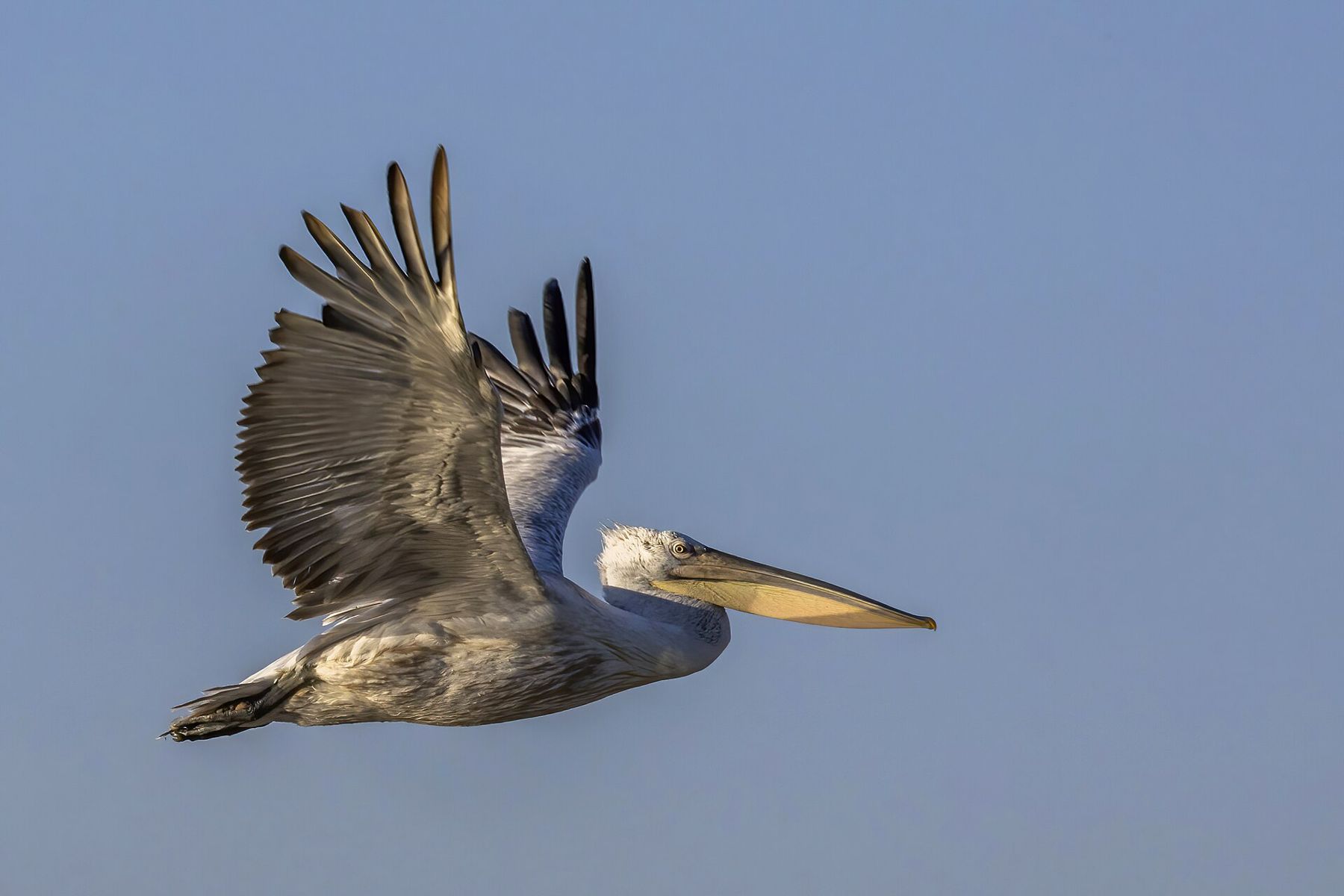
The reed beds of the delta are among the largest in the world, and they shelter more than three hundred species of birds over the year. The most famous are the pelicans. Great white pelicans breed here in the largest colonies in Europe, and the rarer Dalmatian pelican, greyer and with curly head feathers, nests here too. In late spring and summer you may see them fishing together in lines across open water, or circling high on thermals in flocks of dozens. Herons, egrets, cormorants, glossy ibis and terns are common, and in autumn many of these birds head south along the coast, past the lagoons described in our guide to Burgas and its salt lakes.
The boat from Tulcea
The usual way in is by boat from Tulcea, the delta's gateway town, about 70 kilometres up the canal. Fast boats take roughly a couple of hours, slower passenger ferries most of a day; timetables are seasonal and limited. Tulcea itself is a drive of a couple of hours or more from Constanța, the nearest big cruise port, which is why a delta excursion from a ship is a long day and a visit to Sulina itself really needs a night or two. Our guide to Constanța covers that port.
Bring insect repellent, especially from late spring to early autumn, along with sun protection, water and some cash, as card payment is not universal in the delta. Distances by water are long, so allow far more time than the map suggests.
More ports on this coast: Bulgaria and Romania.