Burgas is the working port of Bulgaria's southern coast, and it does not pretend to be a resort. What it offers instead is a long green park on the shore, a pier into the bay and, just behind the city, a ring of shallow lagoons and salt lakes that rank among the best places in Europe to watch migrating birds. A half-day here can be spent entirely in the town, entirely by the lakes, or neatly divided between the two.
The port and the city
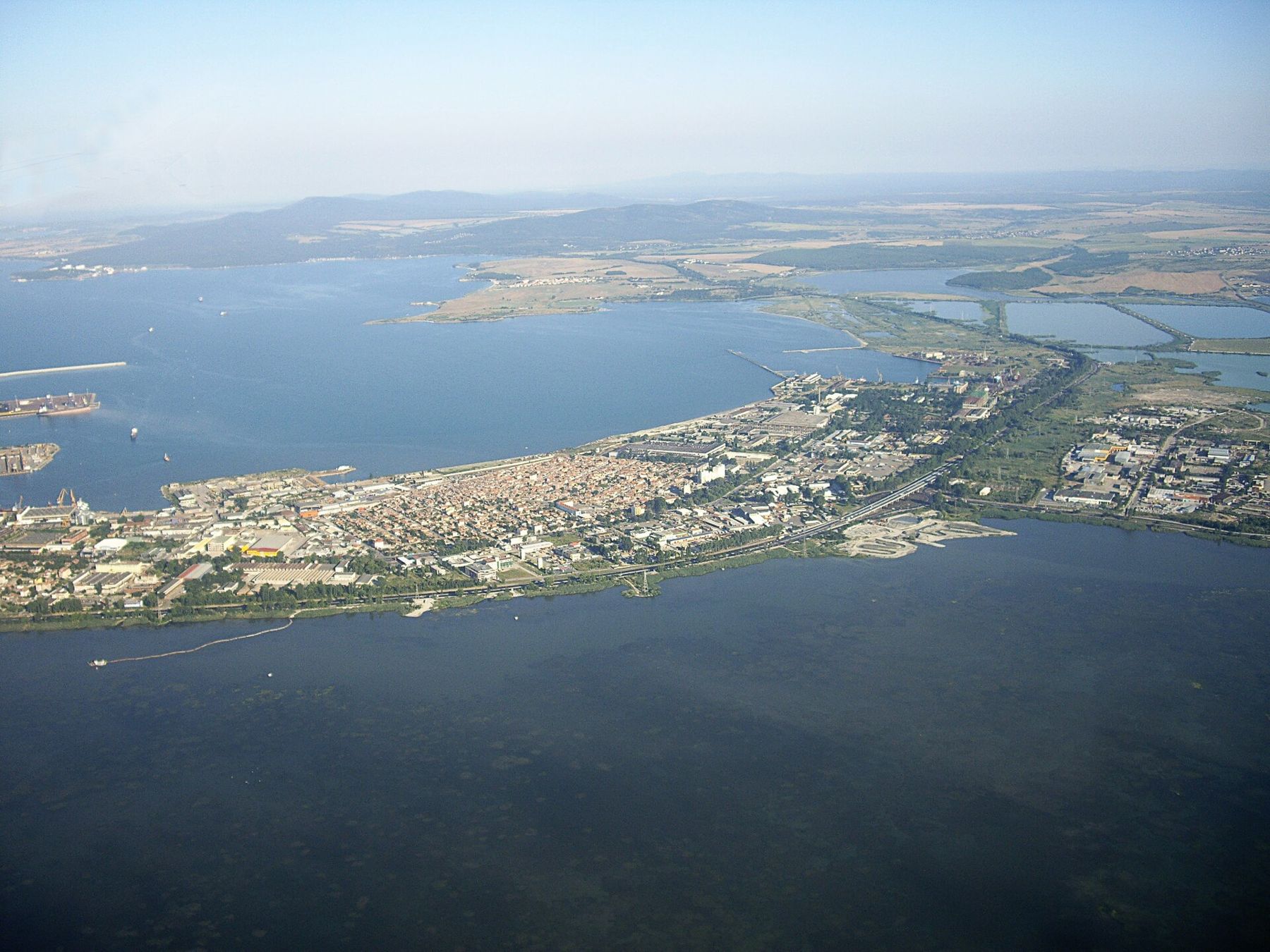
Ships calling at Burgas usually berth close to the centre, and the walk from the passenger terminal into town takes minutes rather than a shuttle ride. The city sits on a strip of land between the bay to the east and Lake Burgas, also called Vaya, to the west, the largest natural lake in Bulgaria. Its centre is a grid of pedestrian streets and squares with late nineteenth and early twentieth-century buildings, cafés and the cathedral of Saints Cyril and Methodius. It is pleasant and unhurried rather than grand, and easy to walk. The city also has small museums of archaeology, ethnography and natural history, useful on a wet morning.
South of the city, where the road to Sozopol crosses the wetlands between the bay and Mandra Lake, the small protected area of Poda has a visitor centre, walking paths and hides over shallow pools. It is the quickest way to see the birdlife of the lagoons if you have only an hour or two, and herons, spoonbills and cormorants are usually in view from the paths.
The Sea Garden and the pier
The Sea Garden runs for several kilometres along the shore north of the port, a broad park of old trees, flower beds, monuments and shaded paths laid out from the late nineteenth century onward. Below it lies the city beach, and from the beach a long pier reaches out into the bay. Walk to the end in the early morning or evening for the view back over the shore and across to the cranes of the port, and watch the anglers who use it most days of the year. The park also holds an open-air summer theatre and a scattering of sculptures, and it is the easiest green space on the coast to reach from a cruise berth.
Atanasovsko Lake
North of the city, the road and railway to the north coast run between the two halves of Atanasovsko Lake, a shallow, very salty lagoon divided into salt pans. Salt has been made here for a long time, and the brine turns parts of the lake pink and orange, a colour that comes from tiny algae and brine shrimp. The lake is a protected reserve and an internationally recognised wetland. Avocets, black-winged stilts, terns and gulls nest on the dykes between the pans, and greater flamingos have become regular visitors in recent years. You can see a good deal from the edges and the paths; access to the inner reserve is controlled.
Pomorie and its lake
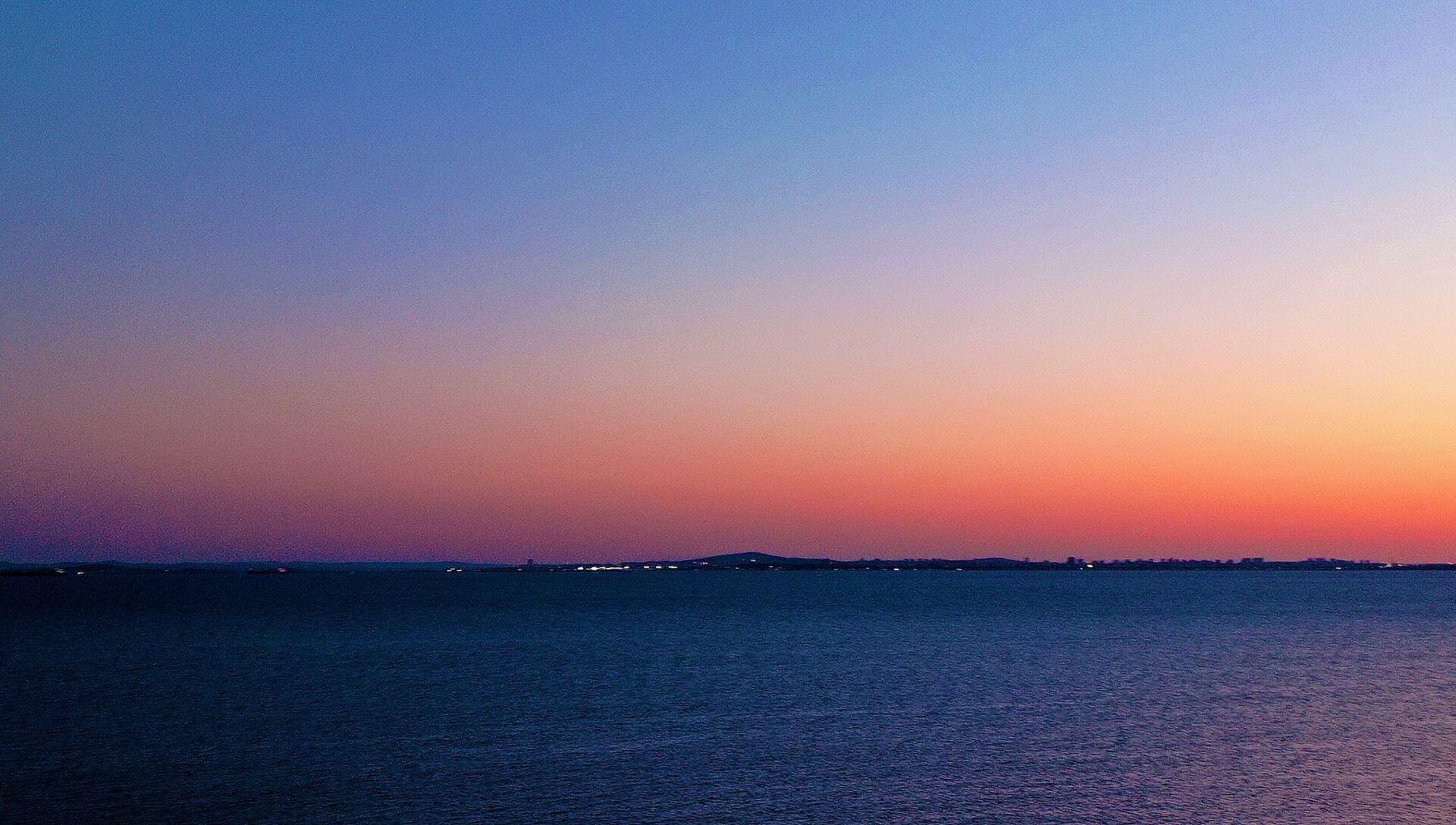
About twenty kilometres up the coast, the small town of Pomorie stands on a low peninsula between the sea and another salt lagoon, Pomorie Lake. Salt is still produced here by evaporation in the old way, and the town has a small museum devoted to the craft; the lake's black mud has long been used in local spa treatments. Flamingos, avocets and waders feed in the shallows, and the sunsets across the water towards Burgas are some of the finest on this coast.
The Via Pontica
The lakes matter so much because of where they lie. The Via Pontica is the name given to one of the great bird migration routes of Europe, which follows the western shore of the Black Sea between the breeding grounds of eastern and northern Europe and the wintering grounds of Africa. Soaring birds such as storks, pelicans and birds of prey avoid crossing open water, so they funnel down this coast, and the wetlands around Burgas give them places to rest and feed.
From late August through September, the sky above Atanasovsko can fill with circling flocks of white storks and great white pelicans, sometimes thousands in a single day, together with buzzards, eagles and harriers. Spring migration in April and May is smaller but still striking. If your call falls in the autumn season, bring binoculars and keep looking up. Our guide to the Danube Delta covers the place where many of these pelicans breed.
St Anastasia Island
Out in the bay lies St Anastasia, a small rocky island of volcanic origin with a monastery, a lighthouse and a short, dark chapter as a prison for political detainees in the 1920s. In the warmer months boats usually run out to it from Burgas; schedules are seasonal and weather-dependent.
The island is a half-hour's diversion at most, but it gives you the city from the sea, which is how you first saw it from the ship. Before you head back to the berth, it is worth knowing that the old towns of Sozopol and Nesebar both lie within reach of Burgas; see our guides to Sozopol and ancient Apollonia and Nesebar's old town if you have a full day rather than half of one.
More ports on this coast: Bulgaria and Romania.