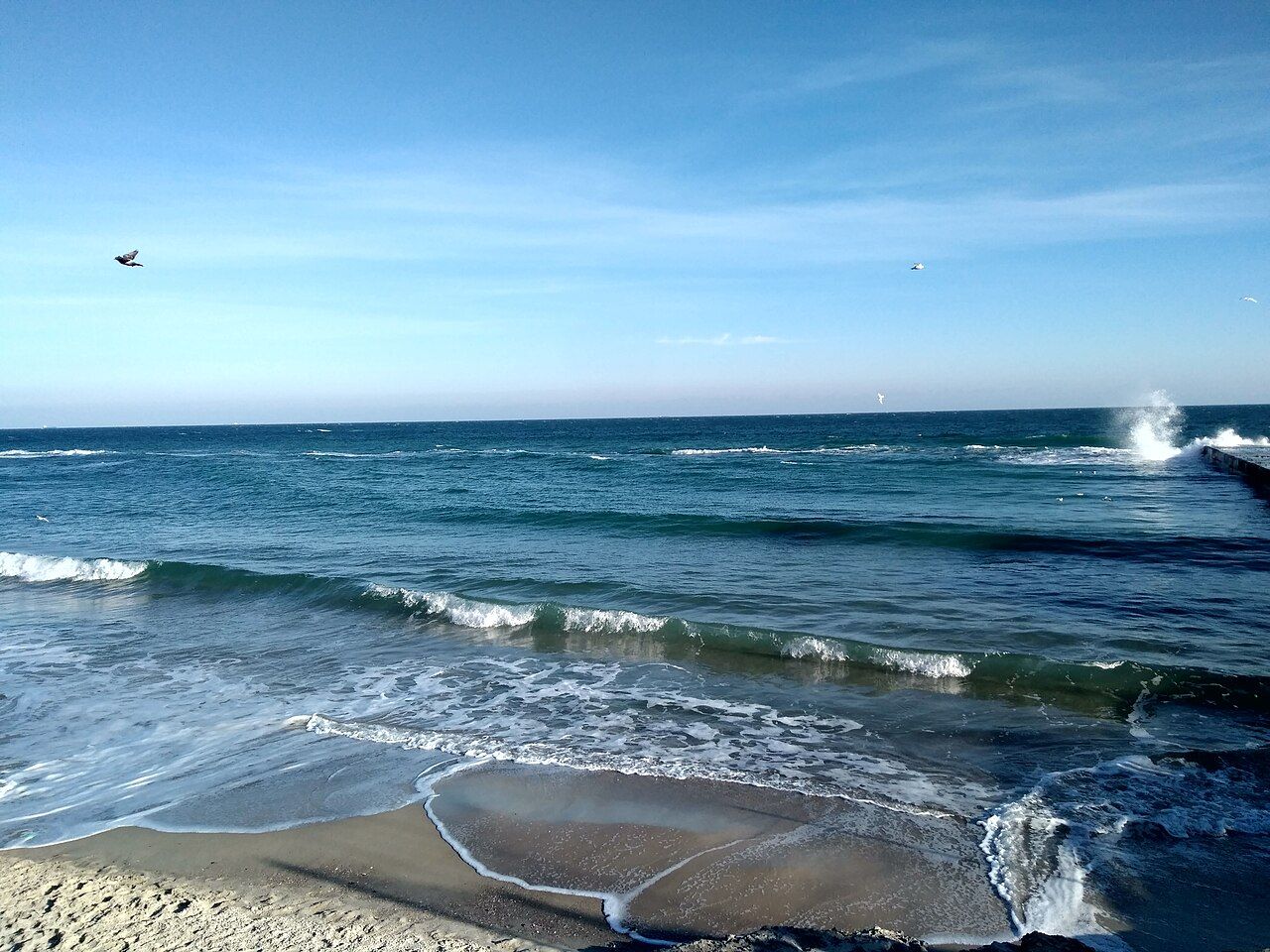
On a clear day at sea the Black Sea looks like any other, blue, choppy and wide. It is not. The water under your ship is a layered sea: a relatively thin upper layer, fresher than the ocean and full of life, floating on a vast mass of saltier, colder water in which there is almost no oxygen. Below about 150 to 200 metres, depending on where you are, nothing lives except bacteria. The sea is more than two kilometres deep in the middle, so most of its volume is this dead water. It is the largest body of water of its kind in the world, and it shapes everything from the colour of the surface to the fate of ships that sank thousands of years ago.
Half fresh, half salt
The Black Sea is fed by some of Europe's largest rivers. The Danube enters from the west through its delta, the Dniester, Southern Bug and Dnieper from the north, and the Don and Kuban through the shallow Sea of Azov. Together they pour in a great volume of fresh water, far more than evaporation removes, and the surplus spills out to the Mediterranean through the Bosphorus. The result is a surface layer with roughly half the saltiness of the open ocean. Swimmers notice it: the water tastes less salty and you float less easily than in the Aegean.
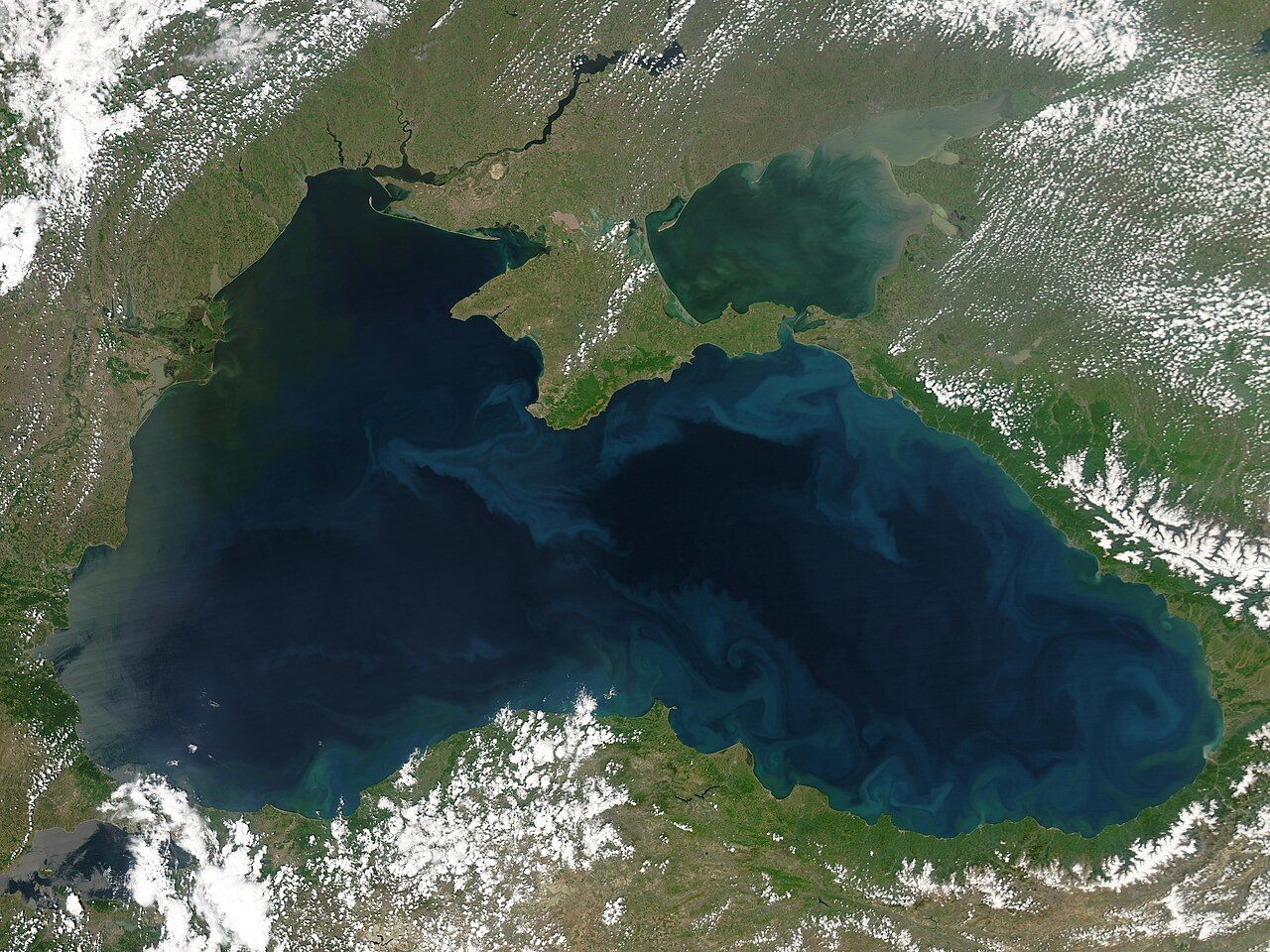
Fresh water is lighter than salt, and the brackish surface water sits on top of the denser, saltier water below, with a sharp change in saltiness between them. Wind and waves mix the upper layer, but they cannot stir the boundary, and the deep water stays where it is for centuries. Near the great river mouths, in the north-west especially, the surface water is fresher still, which is why parts of the northern shores freeze in hard winters. The sea is large, more than a thousand kilometres from east to west, but almost enclosed, and tides are barely noticeable: harbour water levels change more with the wind and the river floods than with the moon.
The dead water below
Because the deep water hardly ever mixes with the surface, no fresh oxygen reaches it. Organic matter sinking from the sunlit layer above, dead plankton and fish, is broken down by bacteria that do not need oxygen, and in the process they produce hydrogen sulphide, the gas that smells of rotten eggs. The deep Black Sea is saturated with it. Some explanations of the sea's name point to the blackening of anchors and metal hauled up from depth, though no one theory has won; others link it to an old system of naming the directions by colours, with black for the north. The ancient Greeks called it the Pontos, the sea, and tradition holds that their first name for it was Axeinos, the inhospitable, later softened to Euxeinos, the hospitable, perhaps as a way of placating it. Sailors who meet one of its winter storms tend to find the first name more accurate.
The deep basin took its present form after the last ice age, when the sea was a lower, fresher lake and the rising Mediterranean eventually broke through the Bosphorus and poured salt water in. How fast that happened, and whether it was a gentle rise or a sudden flood, is still argued over by geologists. Either way, the dense salt water settled at the bottom, and the layering began.
Wrecks in the dark
The lack of oxygen has one remarkable consequence. The creatures that eat wood in ordinary seas, shipworms and others, cannot survive in the deep Black Sea, and the slow decay that destroys wrecks elsewhere hardly happens. Surveys of the sea floor off the Bulgarian coast in the 2010s, using remotely operated vehicles, found dozens of wrecks from the ancient, Byzantine and Ottoman periods lying in deep water, many with their timbers, masts and even ropes still in place.
The most famous is a Greek merchant ship from around 400 BC, lying more than two kilometres down, with its mast, rudders and rowing benches preserved. It is considered the oldest intact shipwreck known. Nobody visits these wrecks, and they are not likely to be raised; they are studied from cameras and scanned into three-dimensional models. But it is worth remembering, as your ship crosses the deep basin, that below you lies a museum of seafaring that has kept its exhibits almost untouched for thousands of years.
The sea is more than two kilometres deep in the middle, so most of its volume is this dead water.
Dolphins and porpoises
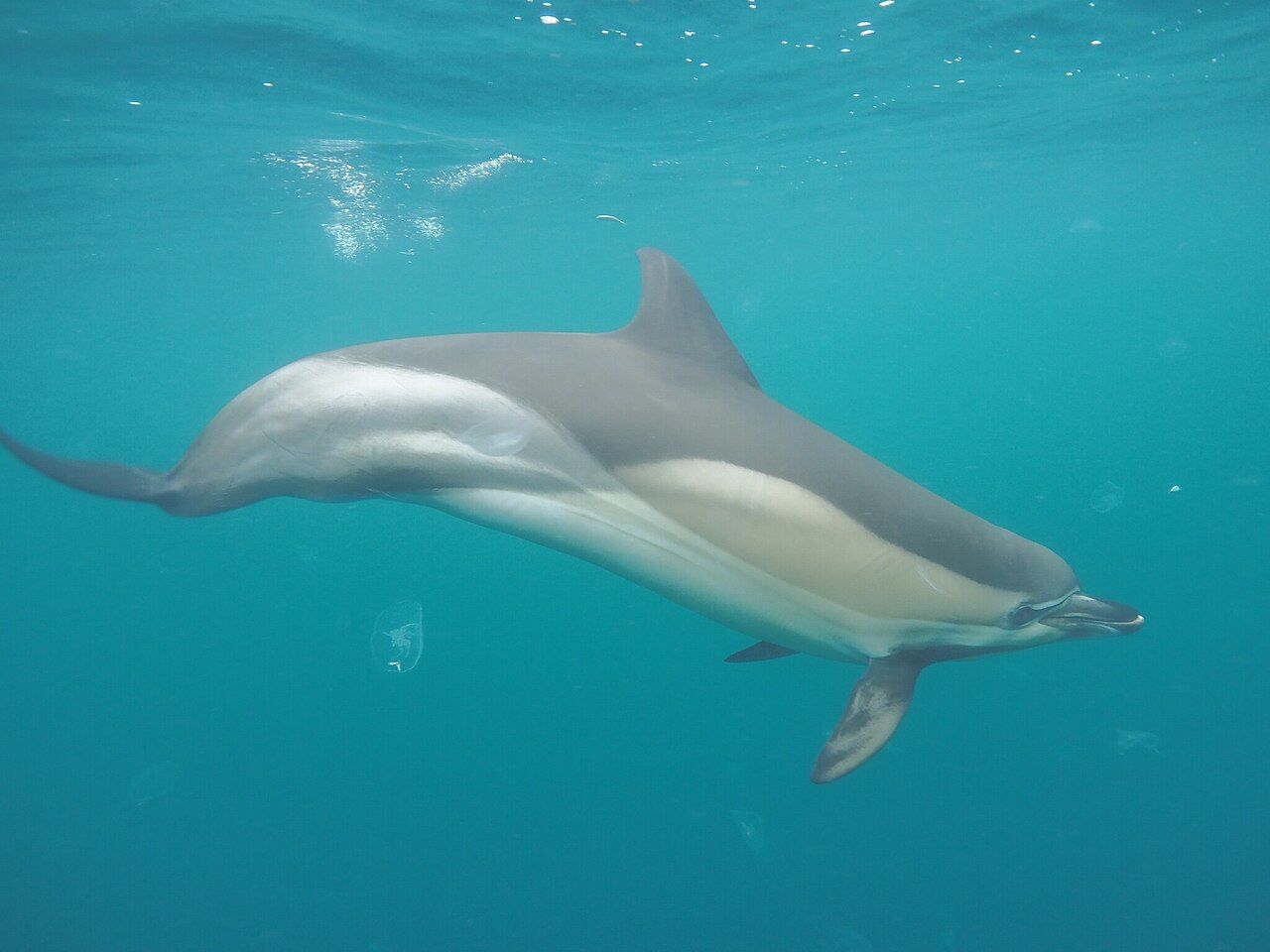
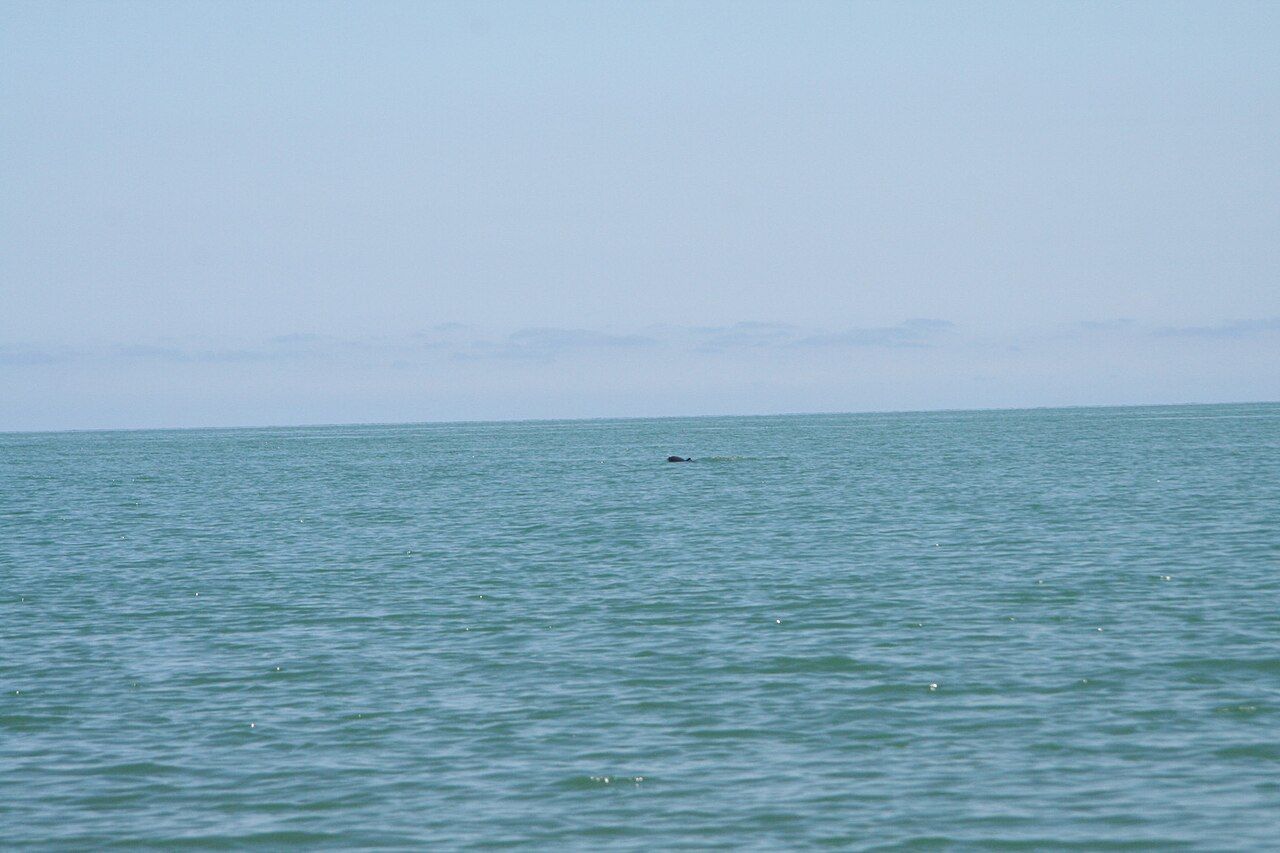
The living sea is the thin upper layer, and it is richer than you might expect. Three kinds of cetacean live here, each a distinct Black Sea population: the short-beaked common dolphin, the bottlenose dolphin and the harbour porpoise. Common dolphins are the ones most often seen from ships, travelling in groups, leaping clear of the water and sometimes riding the bow wave for a few minutes before peeling away. Bottlenose dolphins prefer coastal waters and are larger and greyer. Harbour porpoises are small, shy and dark, and show only a low back and a small triangular fin before slipping under.
The best time to look is a calm morning, when the surface is flat enough to show a fin from a distance. Stand forward, scan the water ahead and to either side, and watch for splashes or gulls gathering over a shoal. All three species were hunted heavily in the twentieth century, and they are now protected and still under pressure from fishing nets, pollution and noise. Anchovies, called hamsi on the Turkish coast, are their main food and the sea's most important fish; their numbers collapsed in the late 1980s after an invasive comb jelly, carried in ships' ballast water, devoured their eggs and larvae, and have since partly recovered.
Two currents in the straits
The Black Sea's only link with the world's oceans is the Bosphorus, a narrow, winding strait, and it carries two currents at once. On the surface, the fresher Black Sea water flows south towards the Sea of Marmara, quite fast at the bends. Underneath it, a deeper current of denser, saltier Mediterranean water flows north into the Black Sea, sliding down into the depths of the basin. The same two-layer exchange continues through the Dardanelles to the Aegean.
The exchange is lopsided: far more water leaves the Black Sea at the surface than arrives at depth, and the difference is the river water pouring in from the north and west. From a ship you can see only the upper current, in the eddies and lines of foam where it turns, and in the way that northbound ships work against it. Our story on sailing the Bosphorus describes that passage from the deck. The fresh water feeding the surface starts its journey in places like the Danube delta at Sulina, and the weather that whips the sea into its famous autumn storms is covered in when to sail.
More ports on this coast: The sea itself.