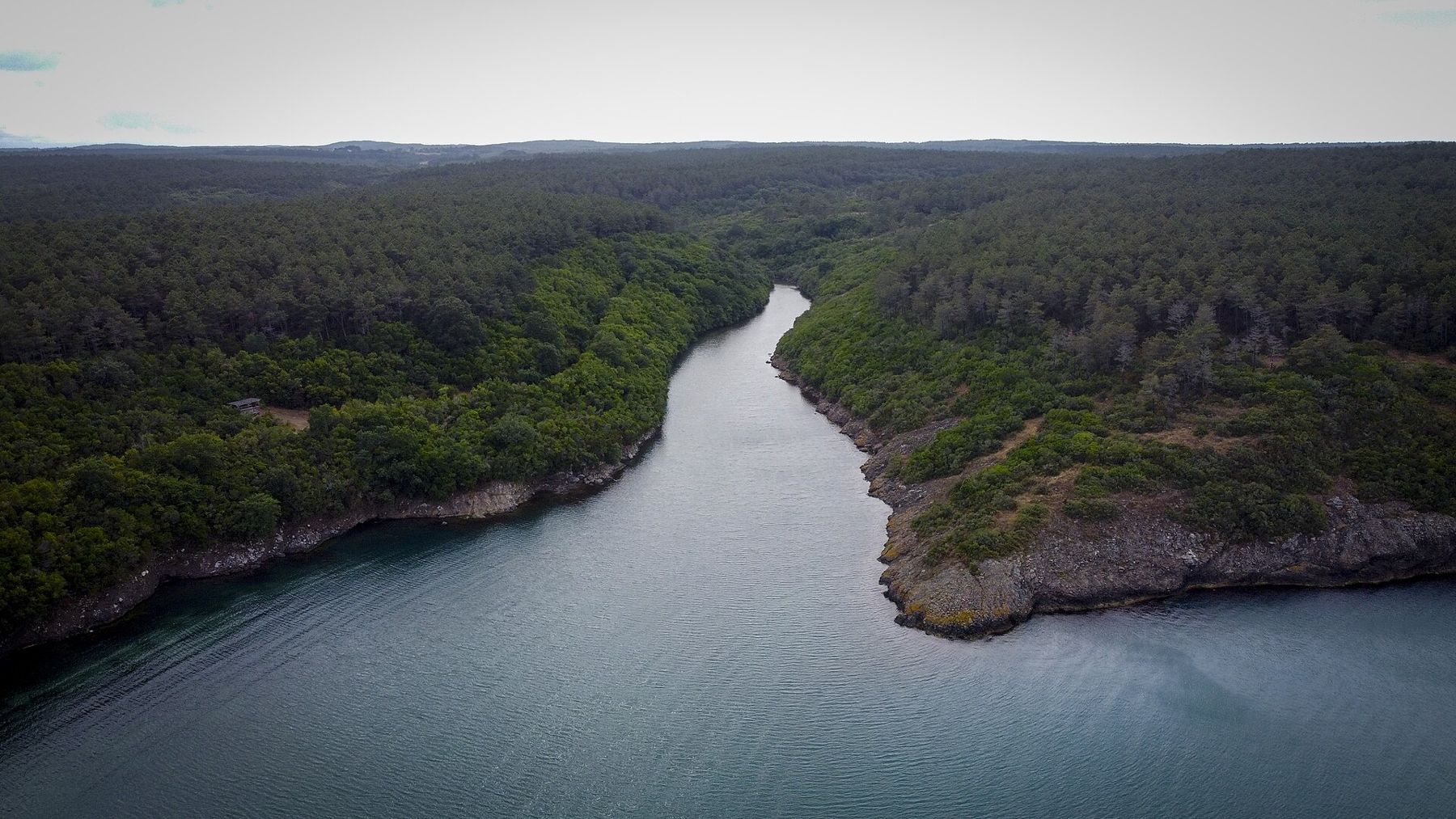
Sinop stands on the narrow neck of land that joins a rounded, hilly peninsula to the Anatolian mainland, about as far north as Turkey reaches. The peninsula shelters a natural harbour on its southern side, calm when the open sea on the northern side is rough, and that harbour is the reason a town has stood here for some two and a half thousand years. It is small, unhurried and easy to walk, with enough history for a morning and a remarkable stretch of coast within reach for the afternoon.
The harbour on the isthmus
Ships calling at Sinop are generally small, and depending on size they either tie up at the harbour or anchor offshore and tender passengers in. Either way you land at the waterfront, a short walk from the centre. The harbour is the best natural anchorage on this coast, which is why Greek settlers from Miletus founded a colony here, called Sinope, in the seventh century BC, and why every power that held this shore afterwards fortified it. Fishing boats line the quays, and the waterfront promenade, with tea gardens facing the boats, is where the town spends its evenings.
Behind the town, the peninsula itself rises to a wooded, partly farmed hill called Boztepe, with lanes that climb to viewpoints over both shores. From the top you see the shape of the place clearly: the thin neck of the isthmus, the sheltered harbour curving on one side and the open sea breaking on the other. Further west along the coast, the cape of İnceburun marks the northernmost point of the Anatolian mainland, with a lighthouse on its tip; it lies beyond the reach of most short port calls, but the ship may pass close to it on the way in or out.
Walls and the old prison
The town walls are the first thing you notice: heavy stone ramparts across the isthmus and along the shore, built on ancient foundations and rebuilt in turn by the kings of Pontus, the Byzantines, the Seljuks and the Ottomans. Parts are well preserved and you can follow them on foot along the harbour side.
Inside the old citadel stands the historic prison, established in the late nineteenth century and used as a prison until 1999, now open as a museum. Its cell blocks, courtyards and high walls are bleak and affecting, and the displays recall the writers and political prisoners held here, as well as the ordinary convicts. It is one of the most unusual museums on the Turkish coast.
Diogenes and the ancient town
Sinop is the birthplace of Diogenes, the Cynic philosopher of the fourth century BC, who scorned wealth and convention. Tradition holds that he lived in a large storage jar in Athens and walked the streets in daylight with a lamp, looking for an honest man; whether these stories are true or later embroidery, they have followed him for over two thousand years. A modern statue of him, with his lamp and a dog, stands in town.
The archaeological museum holds finds from ancient Sinope, and the Seljuk-era Alaaddin Mosque, from the thirteenth century, stands in a quiet courtyard in the centre. Neither takes long, and both are a gentle change of pace after the prison. Between them, the lanes of the old centre hold timber houses with overhanging upper floors, some restored and some sagging, which give a sense of how the town looked before concrete reached it.
1853 and the harbour
The calm harbour has also seen disaster. In November 1853 a Russian fleet attacked and destroyed an Ottoman squadron anchored here, in one of the last great battles between sailing warships, and the event helped draw Britain and France into the Crimean War the following year. Standing on the quay today, looking at fishing boats in still water, it is hard to picture. Our short history of cruising the Black Sea traces how this sea moved from war and trade to passenger travel.
Hamsilos
A short drive west of town, Hamsilos is a long, narrow inlet winding inland between steep wooded banks, often called Turkey's only fjord. It is not a true glacial fjord, but the shape is right: a ribbon of calm, clear water reaching far back into pine and oak forest, sheltered from the open sea. A small nature park surrounds it, with paths along the slopes and spots where people swim from the rocks in summer.
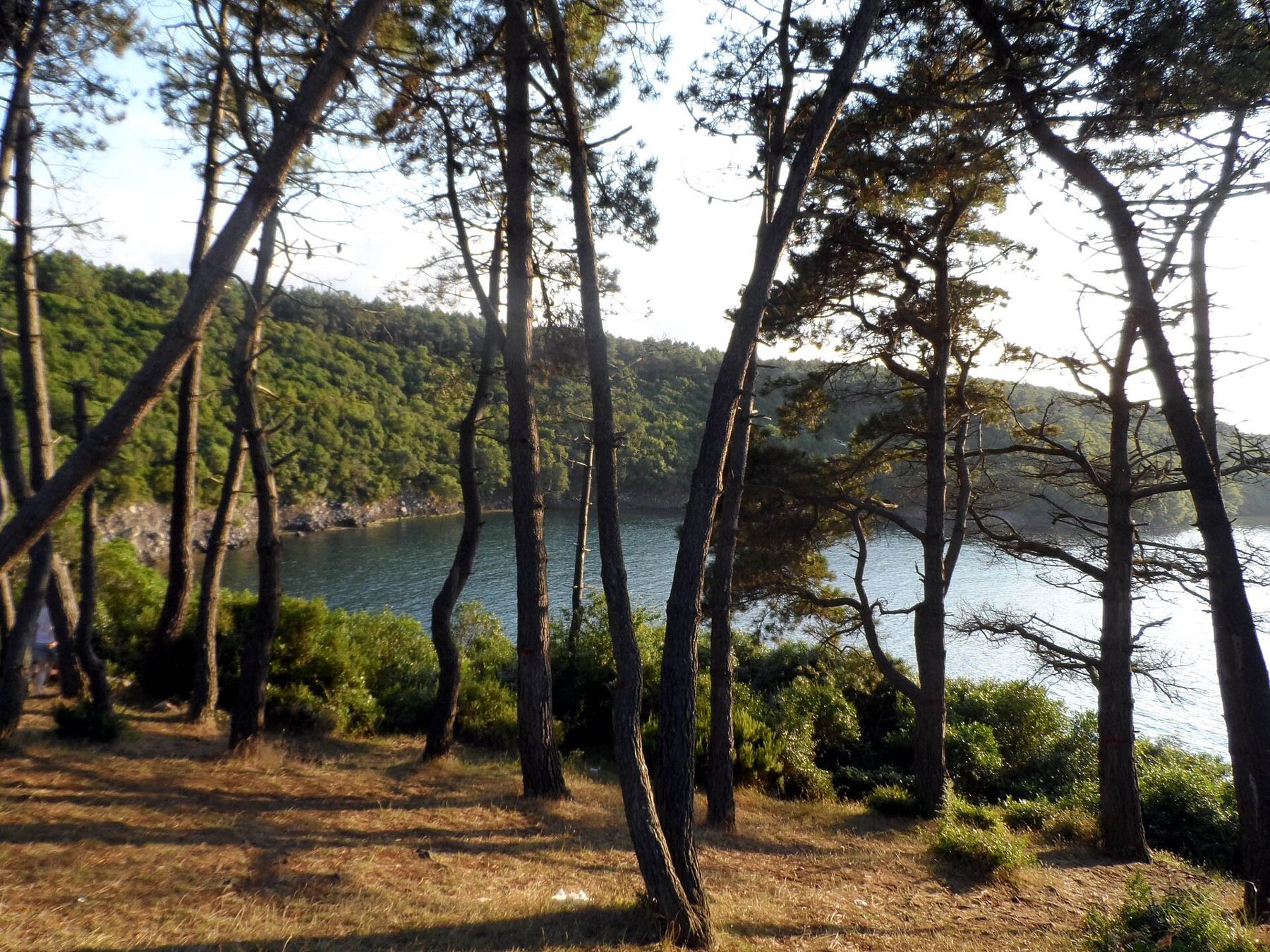
The light is best in the morning or late afternoon, when the trees throw long shadows across the water. Allow an hour or two there, plus the drive; taxis wait in town, but agree the round trip and waiting time before you set off.
Half a day on the cape
Sinop is compact enough to see on foot, though the walls and the prison involve some uneven ground. A sensible plan for a half-day is the prison and the walls in the morning, a walk along the harbour, then Hamsilos in the early afternoon, leaving a clear margin before all-aboard. Turkey uses the lira, and while cards are common in town, small cafés and taxis may prefer cash. The summer sea is usually warm enough for swimming from July. Shops and cafés may close briefly around Friday midday prayers. If your ship sails on east along this coast, read our guide to Trabzon and Sümela; if it came from the west, you may already have passed Amasra and its two harbours.
More ports on this coast: Turkey's northern shore.