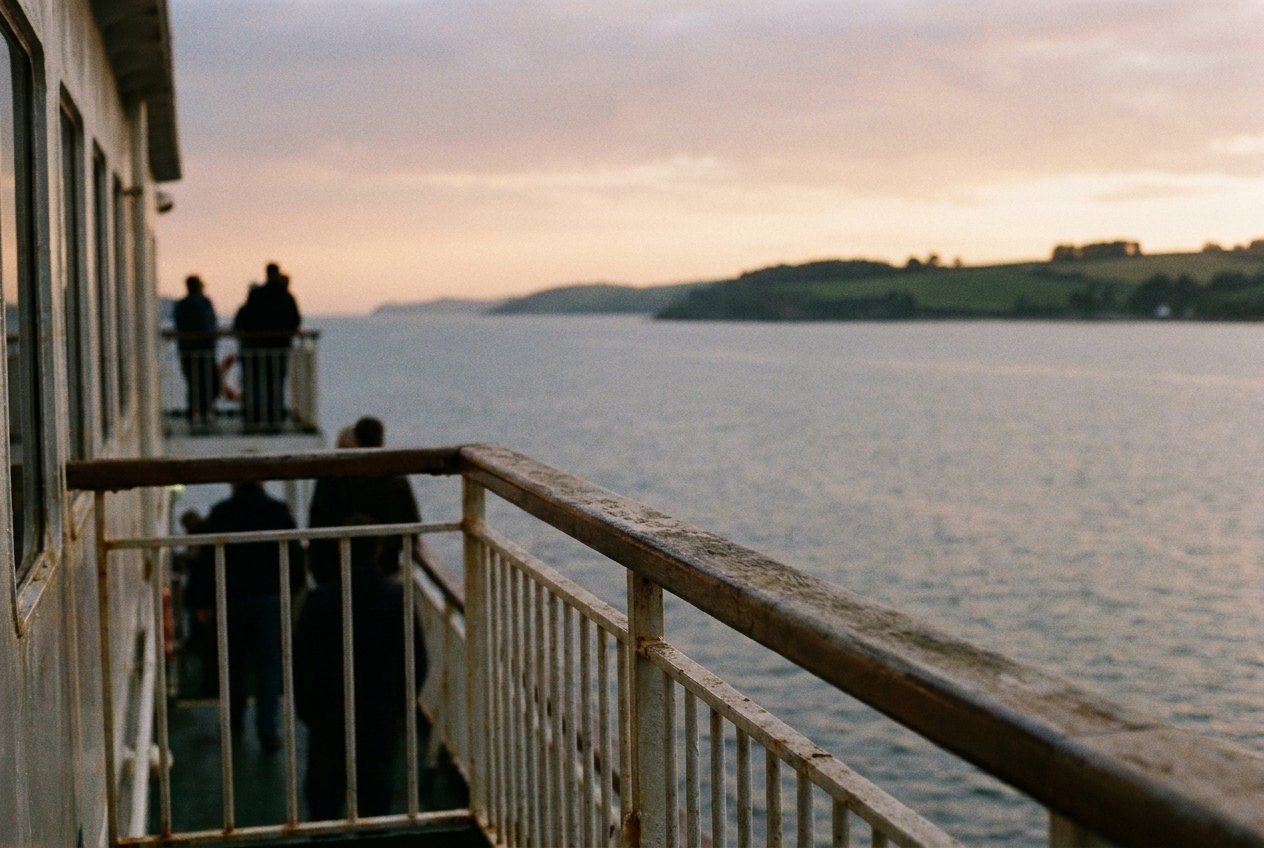
The Black Sea has a clear sailing season, roughly from late April or May to October, and outside it the sea is a cold, often stormy place where few passenger ships go. Within the season, though, the experience changes a great deal from month to month, and the right choice depends on what you want ashore: warm water and beaches, green hills and quiet streets, or long golden evenings and the first autumn colour. This story gives the general picture. It is not a schedule; which ports receive calls changes year to year, and since 2022 the war in Ukraine has changed the map of the sea itself.
The usual season
Ships calling at Black Sea ports usually do so between May and October, with the busiest months in summer. The reasons are simple. In winter the sea is cold, the days short and the weather unreliable, with strong winds and heavy swells, especially in the north and west; harbours like Varna and Constanța can see snow, and the northern shores sometimes freeze. Spring arrives late on the water, and autumn storms come early. The sea is safest and kindest from late spring to early autumn.
Most passengers reach the Black Sea through the Bosphorus from Istanbul, and the passage itself is worth timing for daylight; see sailing the Bosphorus. On the far side, the season is short, and that makes the months within it matter.
Spring: green hills and cool water
May and early June are a fine time for the ports. The hills along the Turkish and Georgian coasts are a fresh, vivid green, the tea is being picked above Rize, gardens are in flower, and towns like Nesebar and Batumi are calm before the summer crowds. Daytime temperatures are pleasant for walking, though evenings at sea can be cool and you will want a layer on deck.
The water, though, is still cold. Surface temperatures in May are well below what most swimmers find comfortable, and they rise slowly. When warm air flows over the cold sea in spring, fog can form, sometimes delaying arrivals or hiding the coast. If swimming matters less than walking, spring is perhaps the best season of all.
High summer: heat and crowds
July and August bring the warmest water, with surface temperatures in the low to mid twenties Celsius along much of the coast, and long, reliable sunshine. This is beach season on the Bulgarian and Romanian coasts and in Batumi, and the resorts are full. It is also the hottest time ashore. Inland and in stone-paved old towns, the afternoon heat can be heavy, and the humidity on the Georgian and eastern Turkish coasts makes it feel hotter still.
Crowds are the other side of summer. Places like old Nesebar fill with visitors from the resorts, the paths up to the monasteries are busy, and queues build at the most popular sights. Plan to go ashore early, head for the main sights first, and save the afternoon for the shade or the water.
Autumn and the first storms
September is many people's favourite month. The sea is at its warmest, after a summer of sunshine, the crowds thin as the school holidays end, and the light softens. Swimming is good, walking is comfortable, and the harvest season brings grapes, hazelnuts and honey to the markets.
By October the weather becomes less reliable. The Black Sea is known for sudden autumn and winter storms, when cold air from the north meets the still-warm water, and strong winds can whip up steep, short waves. Ships may change their schedules, skip a port where tendering is unsafe, or spend an unexpected day at sea. In return, October brings clear, sharp days between the storms, autumn colour in the hills, and quiet streets. Pack layers and accept that plans may change. From November to March the sea belongs to cargo ships and fishing boats; the ports are quiet, many seasonal places on shore are shut, and the light, when the cloud breaks, is low and clear over a grey-green sea.
Which ports, in general
The ports that ships calling on the Black Sea usually visit today lie along the western and southern coasts and in Georgia: Istanbul at the gate; the Bulgarian ports of Varna and Burgas, with Nesebar and Sozopol nearby; Constanța in Romania; the northern Turkish coast at places such as Sinop and Trabzon; and Batumi in Georgia. Itineraries vary widely from year to year, and some of these ports see only a handful of calls. Currencies vary too: Turkey uses the lira, Bulgaria has used the euro since 1 January 2026, Romania the leu and Georgia the lari.
Ukrainian ports, including Odesa, have received no cruise calls since 2022, and our story on Odesa is history and portrait, not a guide. Russian ports and the Russian-held ports of Crimea are not covered on this site.
The war in the north
Since 2022 Russia's war against Ukraine has closed or endangered much of the northern sea. Shipping in the north-west faces serious risks, and stray sea mines have been found drifting off the western coasts in the years since. The routes and ports that ships use today avoid these areas, but conditions can change quickly.
Away from the north, the Black Sea from May to October is a rewarding place to sail.
More ports on this coast: The sea itself.