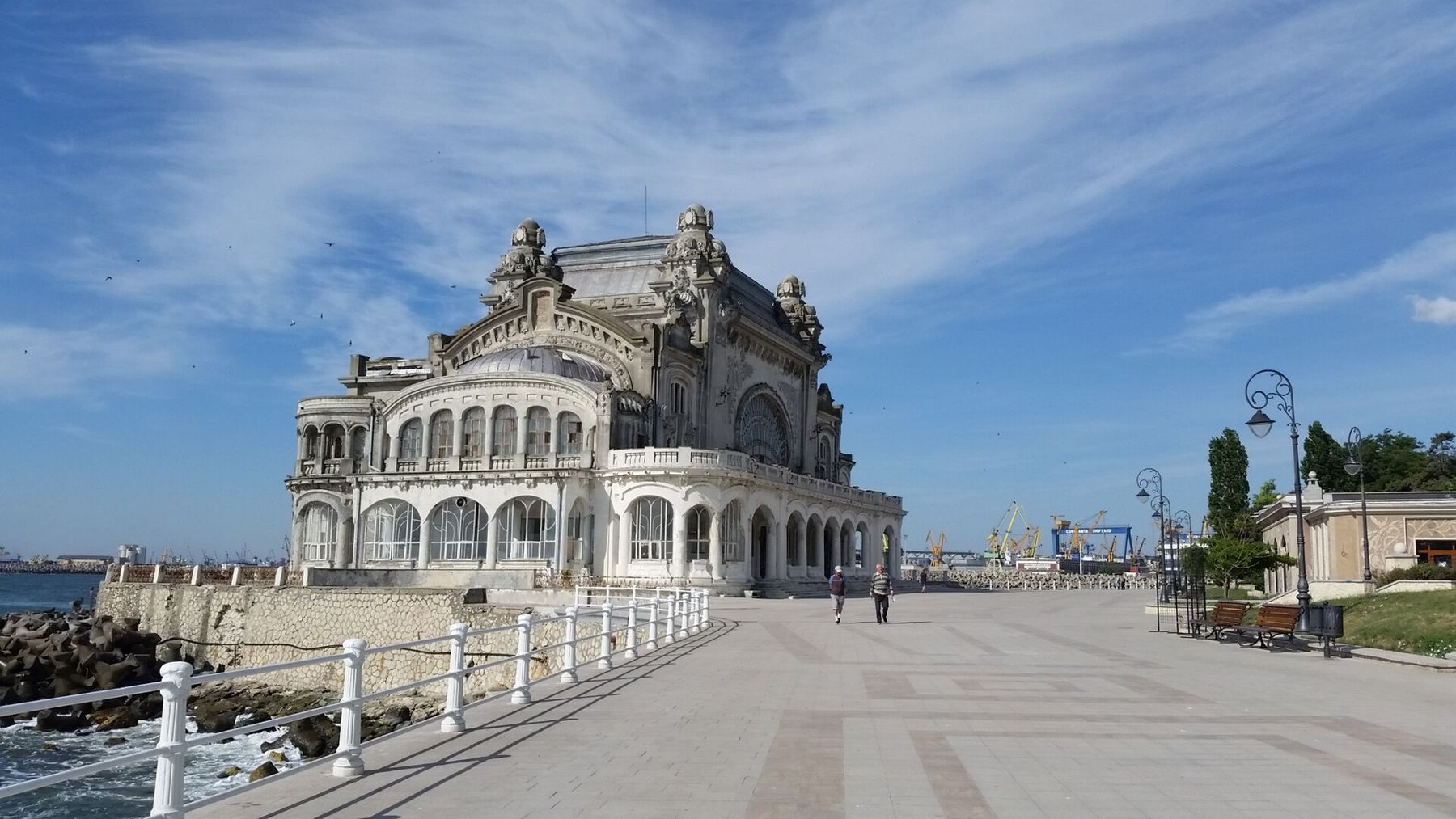
Constanța is Romania's main port and one of the largest on the Black Sea, a sprawl of docks, grain silos and container cranes that the ship takes a long time to cross. Tucked against the northern edge of all that industry, on a low headland, is the old town: the ancient Greek and Roman city of Tomis, a seafront casino, a mosque, a cathedral and a square with a poet in it. Everything worth seeing lies within a compact walk, which makes Constanța one of the easiest port calls on this side of the sea.
Coming into the port
Ships calling here usually berth at the passenger terminal in the older, northern part of the harbour, close to the old town. Depending on the berth and the port's rules on the day, you may walk out through a port gate and reach the centre in a quarter of an hour, or be carried to the gate by shuttle. From the rail on the way in you will see the scale of the place: breakwaters running far out to sea, shipyards, oil terminals and bulk berths.
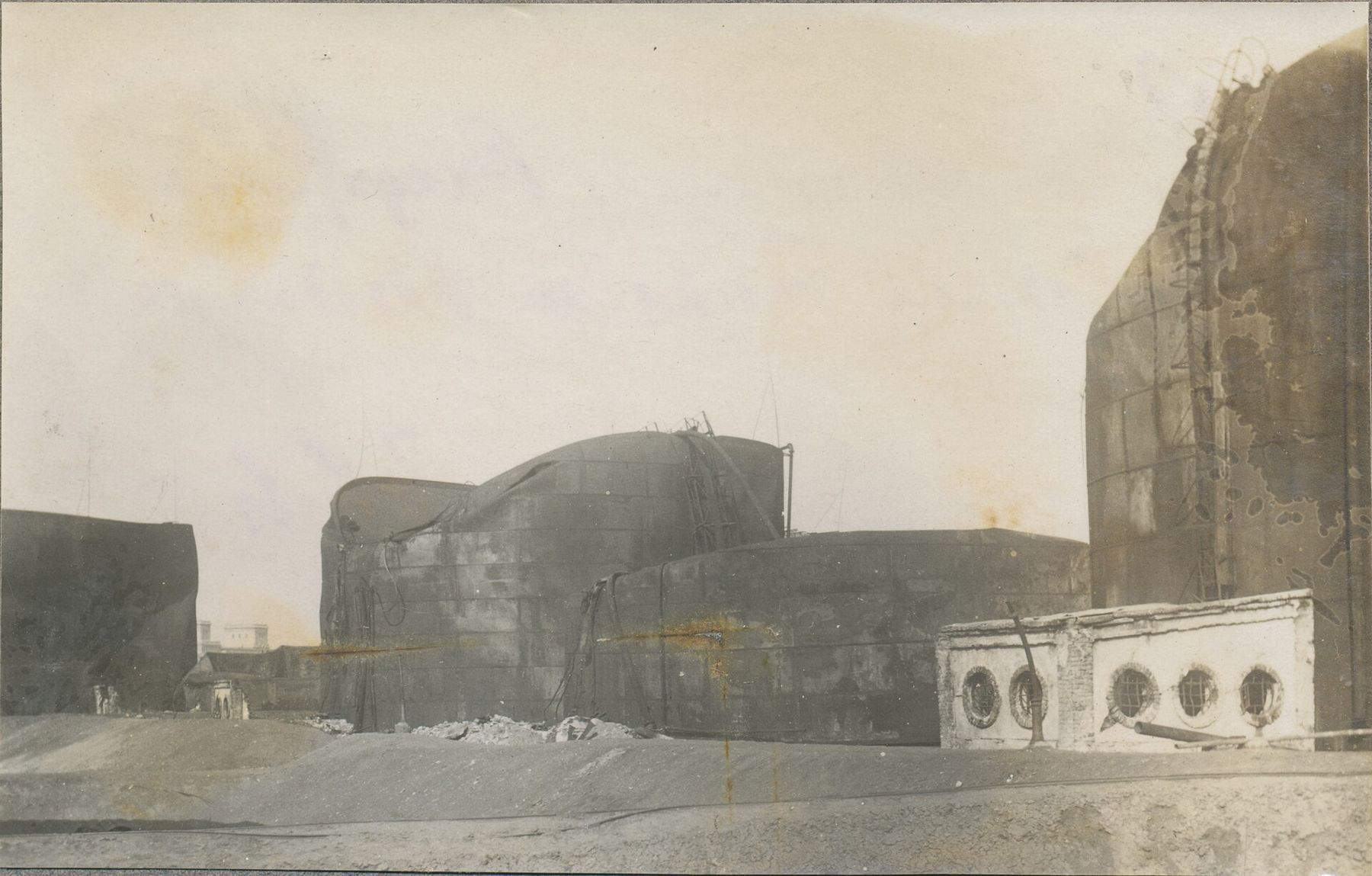
The port has a long and sometimes violent history. It grew quickly after the city passed to Romania in 1878, and during the Second World War it was a target for bombing and fighting at sea. The history of Black Sea cruising runs through here too, since Constanța was Romania's passenger gateway to the Bosphorus for much of the twentieth century.
The Casino on the seafront
The Casino stands on the edge of the headland with the sea on three sides, an extravagant Art Nouveau building of curving balconies, tall arched windows and sculpted crests, completed in 1910 to designs by the architect Daniel Renard. It was the social centre of the seaside town in the years before the Second World War, then passed through many uses before closing and falling into decay for decades. Its long-awaited restoration has returned the building to the seafront, and the white façade facing the promenade is once again the image of the city. Whether the interior is open, and on what terms, has changed several times.
The promenade in front of it is the best walk in Constanța: a broad paved path above the rocks and breakwaters, with benches facing the sea and the cranes of the port on the horizon. Come in the early morning or towards evening, when the light falls across the façade. Behind the promenade, the streets of the old town are a mix of restored nineteenth-century houses, shuttered villas waiting for repair and small squares shaded by plane trees, and they reward an aimless half hour.
Ovid's square and the Roman town
A few minutes inland lies Ovid Square, the heart of ancient Tomis. The Roman poet Ovid was banished here by the emperor Augustus in AD 8, for reasons he only ever hinted at, and he died here about ten years later. Ovid disliked the place and said so, in verse, for the rest of his life. His poems from exile describe frozen winters, a strange language and raids from across the Danube, and they remain the most famous writing ever produced on this coast. His bronze statue, set up in 1887, stands in the middle of the square; a copy stands in Sulmona, his home town in Italy.
Ovid disliked the place and said so, in verse, for the rest of his life.
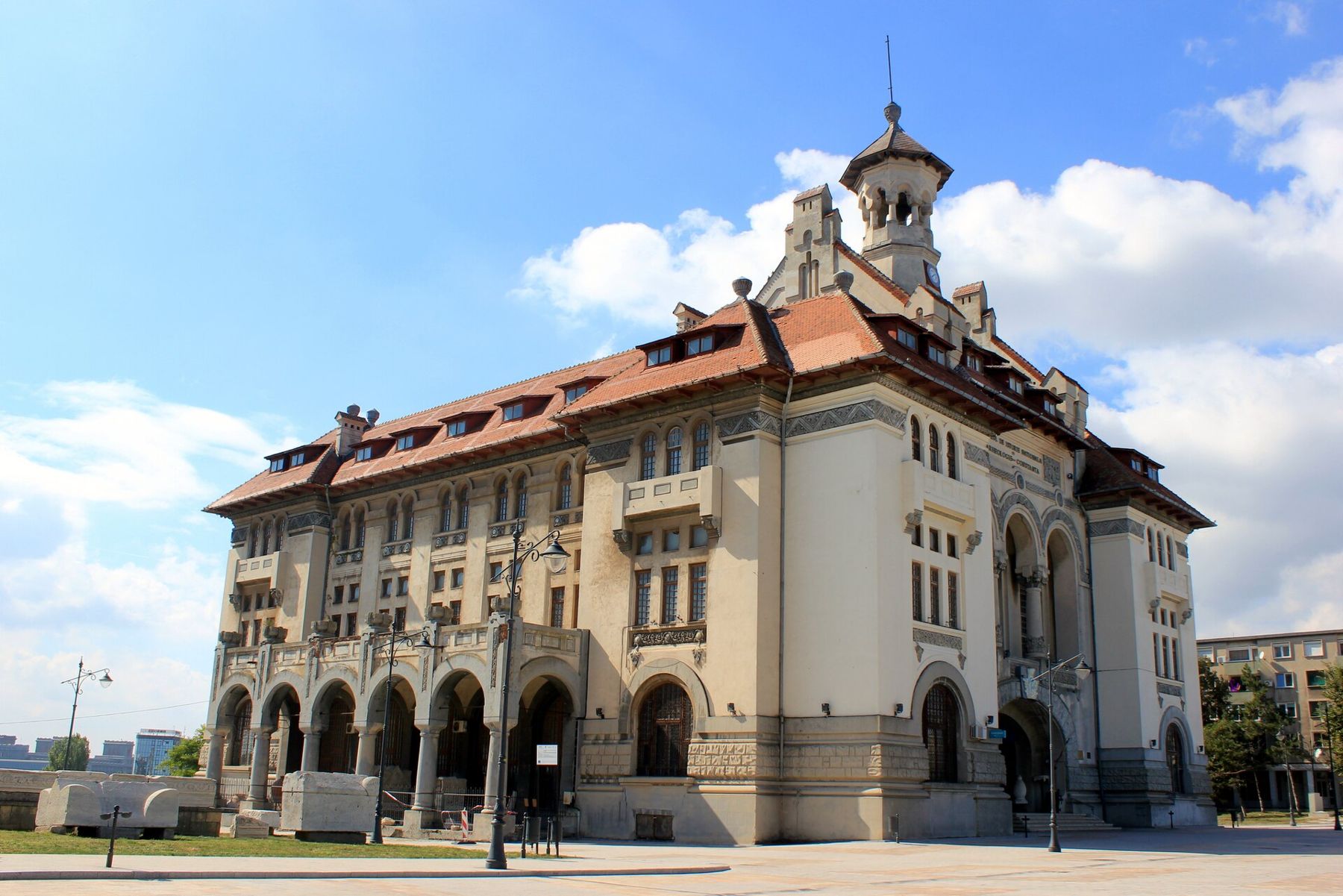
On one side of the square, in a former town hall, the National History and Archaeology Museum holds the finds of Tomis and the surrounding region. The best known piece is the Glykon, a marble serpent with a strangely human face, discovered in the city in the twentieth century.
The mosaic, the mosque and the lighthouse
Next to the museum, under a modern protective building, lies the Roman Mosaic Edifice: hundreds of square metres of a patterned floor mosaic from late Roman times, part of a large building on terraces that linked the upper town with the harbour below. It is among the largest Roman floor mosaics found anywhere, and the vaulted rooms that once served as warehouses still stand beneath it. A little inland, an open-air archaeological park displays columns, capitals and stretches of the ancient city wall among the lawns and traffic of a modern boulevard, a useful reminder of how much of Tomis still lies under the streets.
A short walk away is the Great Mosque, built in the reign of King Carol in the years before the First World War, whose slim minaret you will have seen from the ship. Visitors are usually allowed to climb the narrow spiral stair to the balcony for a view over the old town and the port; dress modestly and remove your shoes in the prayer hall. Close by stand the Orthodox cathedral of Saints Peter and Paul and, at the water's edge, the small lighthouse known as the Genoese lighthouse, built in the nineteenth century in memory of the Genoese merchants who traded on this coast in the Middle Ages.
Beach and marina
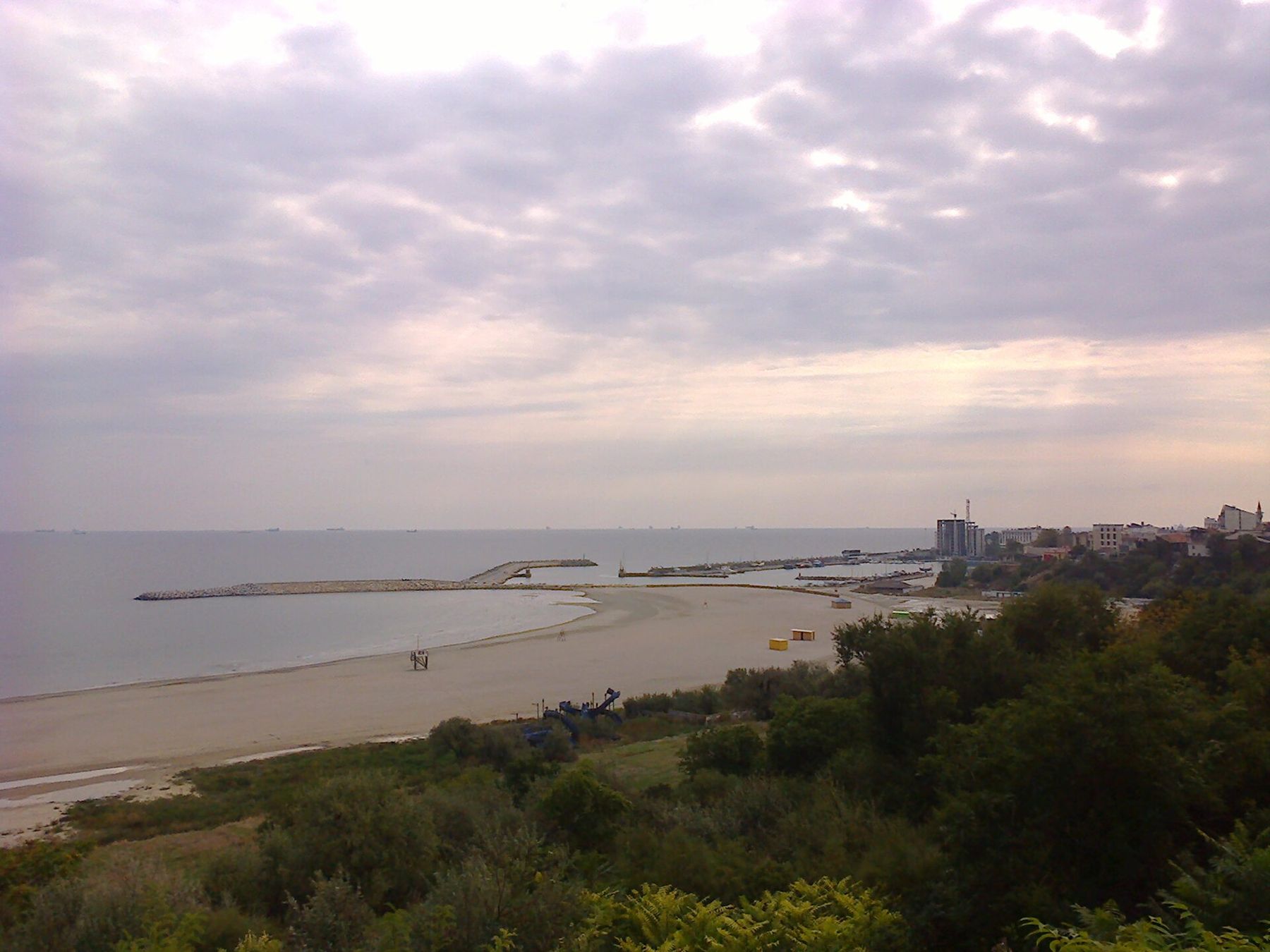
North of the Casino, below a low cliff, lies the Modern beach, a curve of sand protected by stone breakwaters, with the yacht harbour of Tomis beside it. It is a good place for a swim in summer, or for a walk on a grey day when the sea turns green and restless. Further north, beyond the city, the long beach resort of Mamaia stretches along a sand bar between the sea and a lake, busy in July and August and quiet at either end of the season.
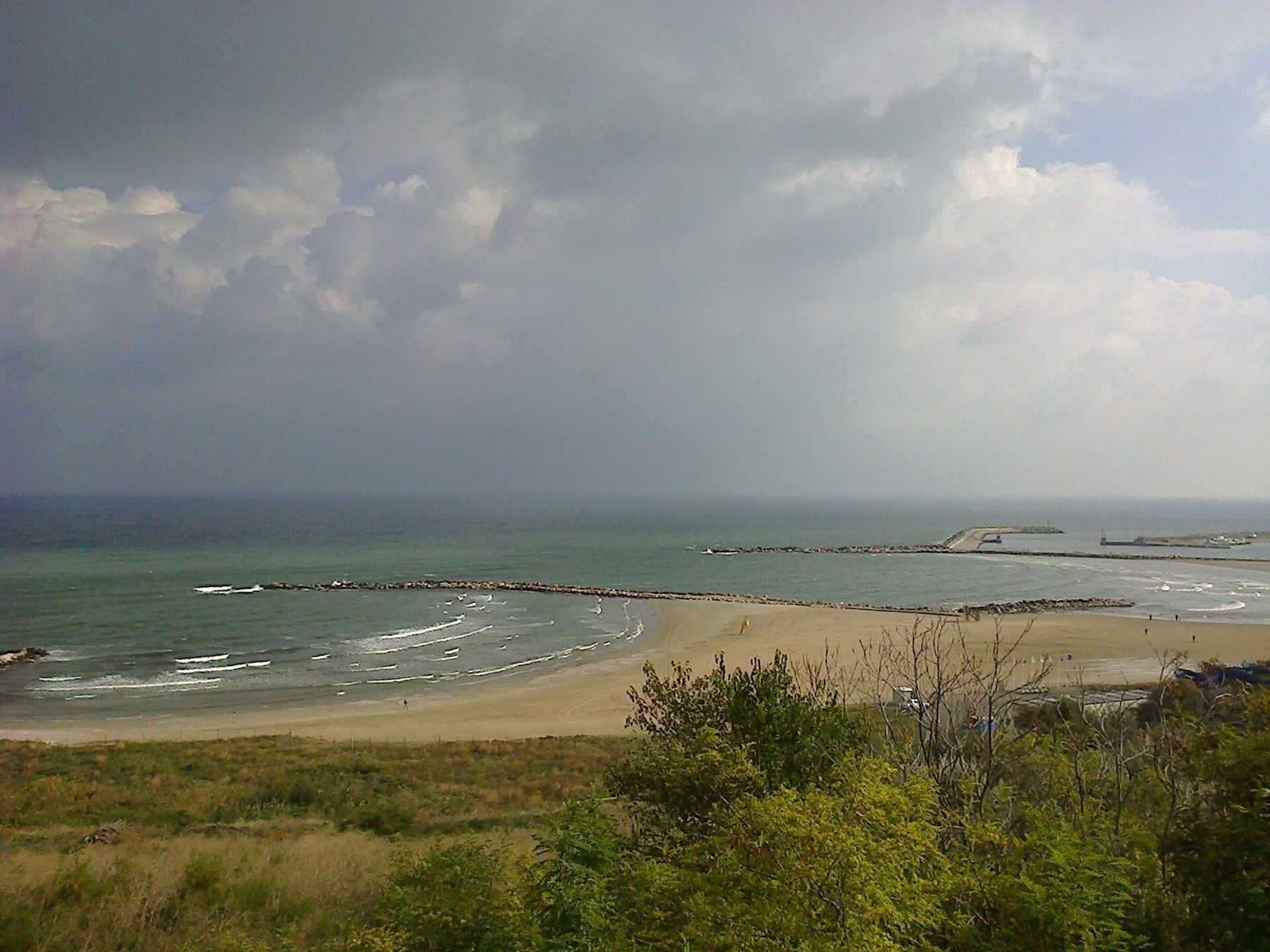
From the clifftop the view takes in the whole sweep of the shore, the marina and the open sea, with ships waiting at anchor for a berth in the commercial port.
Time and practicalities
Three or four hours cover the Casino, Ovid Square, the museum, the mosaic and the mosque at a comfortable pace. Romania uses its own currency, the leu, and cards are widely accepted in the centre. If you have a full day, Constanța is also the usual starting point for long excursions to the Danube Delta, a long drive north, though this needs an early start and a careful eye on the time. For the next big port to the south, see our guide to Varna and its Sea Garden, and for the months when this coast is at its best, read when to sail.
More ports on this coast: Bulgaria and Romania.